
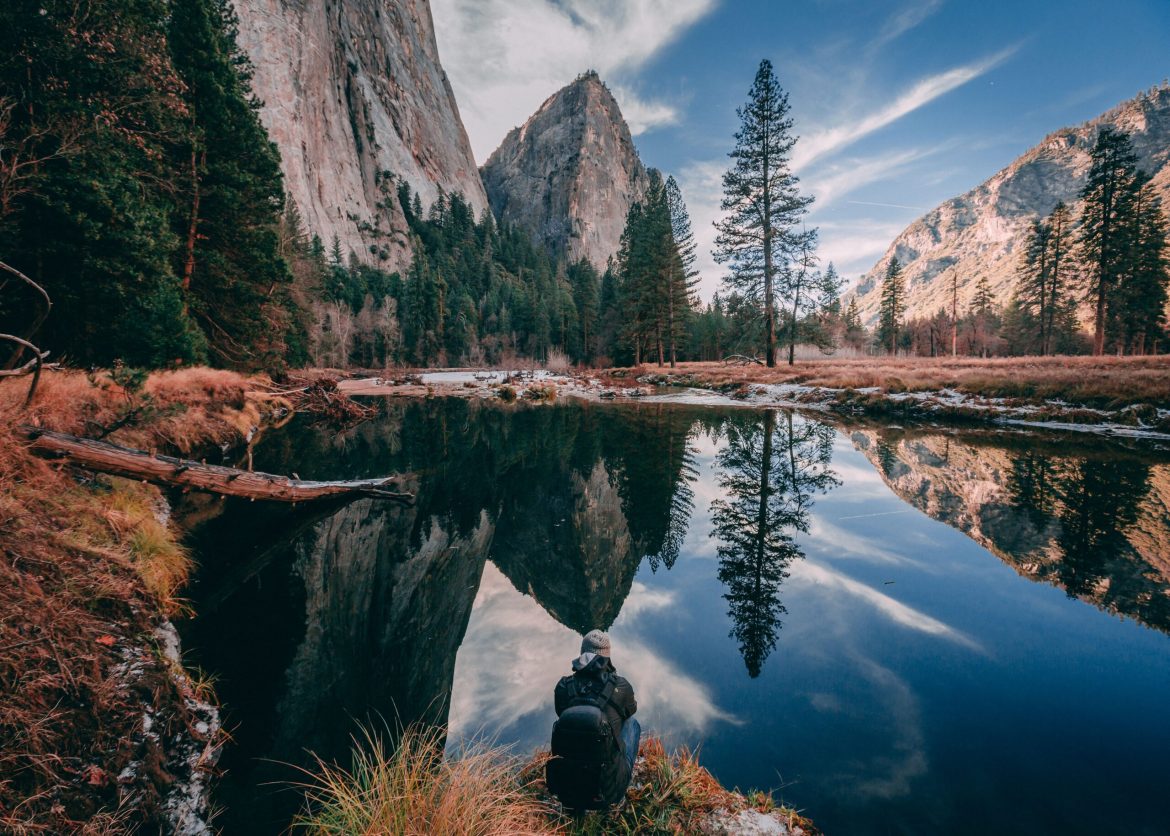
Yosemite National Park is one of the most popular national parks in the United States, and for good reason: awe-inspiring Half Dome and El Capitan rock walls, towering Yosemite Falls and towering Sequoia Mali The beauty of Porta Grove makes this park a “must see” on any American road trip. Established in 1890, the park is now the fifth most visited park in the United States and by far the most visited park in California. But don’t worry: Even with the abundance of park visitors (Yosemite received 422,861 visitors in 2019 alone), there are plenty of ways to enjoy its wonders without having to deal with crowds and traffic. Follow these pro tips to make your first or any visit a memorable one by choosing wisely when to go, what to do when you get there, and the best places to stay.
What to do in Yosemite National Park
Yosemite can be broadly divided into four main areas: Central Yosemite Valley, with most amenities, lodging, well-developed roads, and major attractions; Southern Wawona , with its famous redwood groves; Central Tuolumne Meadows , with Lake Tenaya, Lyell Canyon and plenty of alpine hiking; and the untouched northern Hetch Hetchy Reservoir region, with its massive dam and dizzying vistas.
See Yosemite’s greatest hits — but go beyond, too
Every visitor should see Yosemite’s iconic landmarks, and it’s famous for it for good reason. From a roadside viewpoint in Yosemite Valley, you can gaze at the massive rock face of Half Dome , marvel at climbers scaling the three-thousand-foot cliff at El Capitan , and admire Yosemite Falls and Bridal Veil Falls while driving out of the valley Will take you to the famous Glacier Point view. Short paved trails provide perfect photo spots, although in high season you’ll share the view with a few hundred friends. Pro tip: Renting a bike (or bringing your own) is a great way to explore Yosemite Valley and see the sights at your own pace.
The second tier of Yosemite attractions doesn’t have the same fame, but is a must-see for any other destination. Mariposa Grove is located on the southern edge of the park and allows you to walk among 500 truly incredible giant sequoia trees. Looking for a less crowded place to see the redwoods? For a hike, see the less visited Merced Grove or Tuolumne Grove from Crane Flat near the northwest entrance .
Hetch Hetchy Reservoir on the northern edge of the park is a dazzling blue cliff-fringed lake that is as beautiful as it was when it was created in 1938. Hiking trails and campgrounds make it a great alternative destination to Yosemite.
Tuolumne Meadows in north-central Yosemite is like a park within a park, with towering vistas, epic hikes, scenic Lake Tenaya and Lyell Canyon, its own visitor center, and rustic lodging and camping.
Choose the hike that’s right for you
With 800,748 acres and 542 miles of trails, Yosemite’s hiking opportunities are nearly limitless. And you don’t have to be a world-class athlete to enjoy them. Browse the park website or stop by a ranger station for hiking recommendations that match your ability and time.
Day hikes from Yosemite Valley and Tulome Meadows are rewarding ways to escape the crowds. Two reasonable, easy hikes are: the 1.6-mile Misty , which offers great views of the roaring Merced River and Vernal Falls. It can be a grueling climb, but very doable for anyone in good physical condition. Continue for 0.75 miles to the top of the falls, then continue for 1 mile to Half Dome. The 5. <> mile Soda Springs/Parsons Lodge in Tuolumne Meadows is an easy trail showcasing alpine meadows, the Tuolumne River and bubbling springs. The historic stone cottage at the end of the trail hosts summer workshops for naturalists and artists.
Learn about Yosemite
Free Ranger Walk & Talks offers hour-long guided tours on topics including geology and wildlife. Guided bus tours offer educational tours ranging from two to eight hours. You can also sign up for popular classes at the Yosemite Conservancy and Ansel Adams Gallery in art, photography, cooking and bird watching. For families, the Yosemite Junior Rangers and Yellow Savage programs can get kids excited about nature.
Where to Stay and Eat in Yosemite National Park
Yosemite has hundreds of hotel rooms and campgrounds in the park, but they are often reserved during the summer months, so plan as far in advance as possible. Pro Tip : Even in high season, the gateway towns around Yosemite offer plenty of available budget and luxury lodging options that are affordable and reasonable commutes to the park.
In the park
A Yosemite icon, the Ahwahnee is a majestic (and expensive) old-fashioned luxury hotel with views of Yosemite Falls. Curry Village in the valley has multiple dining areas, more than 400 canvas tents and dozens of huts. Near the base of Yosemite Falls, Yosemite Valley Lodge is a 245 room budget hotel in a great location. In South Yosemite, try the affordable 104-room Victorian Wavona Hotel . Surprisingly, there are also privately owned vacation rentals in the park that pass through the scenic wonders and are great options for families and extended stays.
For dining, in addition to the inn restaurant, Degnan’s Kitchen in the Valley offers cafeteria food with a grill and beer loft above . The nearby Village Store sells picnic and camping supplies, as do the Wawona store and Tuolumne Meadows store in the south
outside the garden
Near the four entrances to Yosemite, Marioposa , Groveland , Oakhurst , and Lee Vining offer an abundance of budget motels, vacation rentals, campgrounds, and RV sites. Some notable options are:
South: Tenaya Lodge is an expansive resort with new lodges, villas, and a hotel with multiple pools and restaurants. They also offer their own open top bus tours of the park.
Southwest: Autocamp offers rustic glamping in 102 new custom Airstream trailers, tents and cabins around an upscale clubhouse with pool.
Northeast: Try the new Rush Creek Lodge (hotel, villas and spa) or the classic Evergreen Lodge (built in 1921 with modern cabins). Evergreen is known for frontier entrees like elk patties and rainbow trout.
Plan Your Yosemite National Park Trip
Coronavirus (COVID-19) Open Status
Yosemite is open. Yosemite instituted a new day pass system in January to ensure social distancing in the park, so you’ll want to plan ahead for your visit this year. However, it’s totally doable: 700, <> passes are provided per day, with additional passes available for campsite and hotel reservations. Check Yosemite’s website for the most current updates.
Best Time to Go to Yosemite
Yosemite is truly a four-season national park, with each part of the year offering its own unique attractions. Spring has the largest waterfalls and scenic rivers flooded by snowmelt. Summers are sunny and warm enough to swim in lakes and rivers and enjoy cool hikes at high altitudes where wildflowers bloom in alpine meadows. Autumn brings spectacular changing foliage in the valley , fresher air and fewer tourists. Winter is a magical time in Yosemite, with serene snow-capped landscapes, opportunities for snowshoeing and skiing, and special events inside cozy lodges.
Pro tip : Yosemite Valley can get crowded in the summer, but the good news is that 95 percent of the park is undeveloped wilderness, with more than 1,100 square miles to roam and hardly a soul in sight. So get out of the valley and explore some of the lesser-known spots, then come back in the off-season to see the main ones. If your schedule allows, visit during the spring and fall months. This will help you avoid crowds, save money on accommodation, and enjoy cooler hiking temperatures. However, the weather in spring and fall can be fickle, so bring layers of clothing and be prepared for changing conditions.
Traveling to Yosemite and Surrounding Areas
Yosemite is located in central California , about 170 miles (over three hours) east of San Francisco and 280 miles (<> hours) northeast of Los Angeles, in the Sierra Nevada Mountains. Once there, transportation and parking can be difficult, so take advantage of the free Yosemite shuttle bus system to access top areas in the park. Three routes cover the main Yosemite Valley road, the route between the Southern Visitor Center and the Mariposa Redwoods, and the route between the Valley and Tuolum Meadows.
Pro tip : Save money and avoid traffic hassle altogether by taking the YARTS (Yosemite Area Regional Transportation System) bus to the park. The YARTS route enters the park’s four entrances with regular service from nearby towns and hotels. Round-trip airfare starts at $9—so a bargain. Important: Reservations close 24 hours before scheduled departure each day, so you cannot book on the same day.
how long to stay
Don’t make the mistake of trying to do all of Yosemite in one day—it can feel like a forced march between photo spots, and you’ll miss the majestic essence of the park. Try to have at least two full days – one day to explore the valley, the next day to explore the area outside the valley, or spend the next day going deeper into the valley. However, if you only have one day in Yosemite, pick an area and stick to it, and don’t feel obligated to go to the valley if it’s too crowded.
Pro tip : On a day trip, if summer crowds in the valley get too much, visit Tuolumne Meadows instead, where you can still enjoy epic views of Half Dome from Olmstead Point.
