
Hard skills, resilience, and the will to survive can take you through various obstacles in survival scenarios. Read on for basic wilderness survival tips that could mean the difference between life and death in extreme situations.
Overview of Outdoor Survival Skills
Knowing outdoor survival techniques can improve your chances of surviving life-or-death situations. Examples include knowing how to build shelter , find edible plants, find water and make fire.
To test yourself, practice hard skills in situations that reflect the challenges you might face in the field. Mental regulation, positive attitudes, and creative problem-solving can also have an impact. Consistent practice and improvement will build your confidence so you can remain resilient in the face of adversity.
10 Essential Wilderness Survival Tips
Consider these basic survival skills to improve your chances of success in the wilderness:
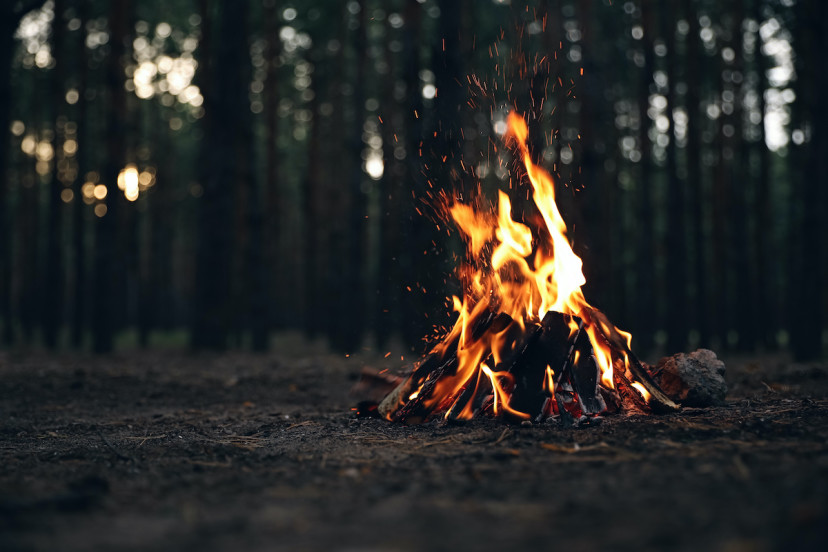
- 1. Light a fire . Start a fire with dried leaves, pine needles, or small pieces of wood, allowing you to cook, keep warm, or drive wildlife away from your shelter. Use waterproof matches or a lighter to light the tinder and kindling.
- 2. Create a short-term survival shelter . Depending on the climate, weather, terrain, and available resources, you may want to build a temporary shelter to protect you from the elements until you meet your rescuers. You should insulate your shelter to help retain your precious body heat in cold weather, or provide sun protection to minimize dehydration in hot, arid climates.
- 3. Establish a hierarchy of priorities . Trapped hikers or those forced into survival scenarios should try to address the “rule of three”: the average person can survive three hours without shelter, three days without water, and three days without food. survived for three weeks. These timelines are somewhat subjective to individuals and climates, but the rule of three can provide a template to guide action in the field.
- 4. Find a source of clean water . A human can only survive about three days without water, so finding and collecting drinking water should be one of your first tasks in a survival scenario. Bring the water to a boil using a strainer, iodine tablets, or over a fire. No matter how you choose to purify your water, there must be enough to meet your hydration needs.
- 5. Find food sources . Gather as much excess food as possible and eat as varied a diet as possible to provide your body with the proteins, fats, vitamins and minerals it needs. Find edible flowers, roots, and mushrooms; use natural materials to build snares for small game; or craft fishing tools to catch fish.
- 6. Maintain good hygiene habits . Bacteria, parasites and pathogens can enter the body through food and open wounds. Maintaining cleanliness and good hygiene will reduce your chances of dying from disease. Staying fit is crucial, as even a few days of bed rest can lower your chances of survival and quickly deplete your resources.
- 7. Remain calm and assess the situation . The most important survival tool you have is your mind. When you find yourself in a life-or-death survival situation, the brain’s amygdala floods the body with stress hormones, triggering a fight-or-flight response. Counter your instincts by taking the time to gather your thoughts—this will help you eliminate unnecessary risks and minimize your energy drain until you develop a solid plan. Remaining calm is a must, as avoidable mistakes can be fatal, especially in the wilderness.
- 8. Signal to nearby search and rescue teams . Use visual and audible signals such as mirrors, whistles and smoke to attract the attention of rescuers and notify them of your evacuation location. Keep a solar battery charger for your phone in your survival kit to stay connected, especially if traveling alone.
- 9. Test your jungle skills before you need to . You probably already know how to navigate by the North Star or tie a bow, but you should do readiness drills to test your skills in real-world scenarios. Knowledge is essential, but practice can help you identify your strengths and weaknesses so you can eventually improve.
- 10. Use what you have . Survivors must travel light and move quickly, so it’s necessary to collect water and food on the go, and to carry good-for-money multipurpose items. For example, stranded backpackers may not have a manufactured first aid kit or bug bag from which they can pull out any necessary tools or materials to survive comfortably. Examples like this require ingenuity and good problem-solving skills. For example, a plastic bag, a length of paracord, and a piece of duct tape can be the main elements of a shelter, protecting you from wind and rain.
Prepare for a wilderness adventure
Certain outdoor activities carry a higher risk of serious injury. Wilderness scenarios require a great deal of survival gear, including but not limited to food, water, maps, protective clothing, and first aid, as well as mental and physical fortitude. This article is for educational and informational purposes and is not a substitute for hard skills and expertise.
