
Who wouldn’t want to see the red rocks of Bryce Canyon or the sparkling waters of Lake McDonald? How could you miss visiting Yellowstone’s erupting geysers? If an RV trip out west is on your way, you’re likely to be in awe and awe at the sights.
Let’s take a look at how to plan your trip and make sure it goes as smoothly as possible.
An RV trip out west could be the trip of a lifetime
Unlike anywhere else in the country, the West offers incredible vistas and opportunities to explore.
If you’re not from the West, traveling in an RV to Utah, Wyoming, Colorado, Arizona, New Mexico, Montana, or the West Coast states can offer some fantastic adventures.
Landscapes range from desert cacti and snow-capped mountains to red plateaus and majestic canyons. What should I see while exploring?
Sights of the West RV Tour
With so much to see and do, you need to plan your RV getaway. It’s easy to get overwhelmed with so many options, so let’s take a look at some of the options that require a stop-loss list. This will also help with planning campsite reservations or camping locations.
National Park
The national parks in the west have some of the most spectacular scenery in the country. From Utah’s Arches National Park to Arizona’s Grand Canyon and Montana‘s Glacier National Park, you can see many different landscapes and learn about Native American culture.
National parks are great destinations if you want to see some wildlife. In the states west of Oklahoma, you can visit more than 25 different national parks. Pick up your America the Beautiful Pass , which gives you free admission to any number of parks throughout the year.
And don’t forget the Junior Ranger program for the kids. Families who hit school while traveling love these programs designed for elementary and middle school students. They learn how to care for the region’s ecosystems, ancient peoples, the wildlife found in the region, and more.
state park
National parks tend to get all the attention, but state parks also have a lot to offer. They usually have more camping options than national parks. Since many of these parks are adjacent to each other, you might stay in a state park and take a day trip to a neighboring national park.
State parks also provide great learning opportunities. More centered on local history, you can discover how the people lived and the wildlife that call the area home. Admission to many of these parks is free, while others require a nominal fee. Keep this in mind when planning your out west RV trip.
scenic drive
Glacier National Park’s Way to the Sun has been voted one of the top scenic spots in the West. This 52-mile highway offers spectacular vistas, glacial lakes, and wildlife.
Arizona’s Red Rock Scenic Byway is about ten miles long, but features towering ancient red rock and pine forests in the Coconino National Forest. Colorado’s Trail Ridge Road winds its way through Rocky Mountain National Park, with 11 miles of snowcapped mountains and craggy peaks.
Be sure to pay attention to weather conditions. In winter weather, you cannot access some of these highways. Windy conditions can also make some scenic drives dangerous as the roads are narrow, so always drive with caution.
Beaches, deserts and mountains, omg!
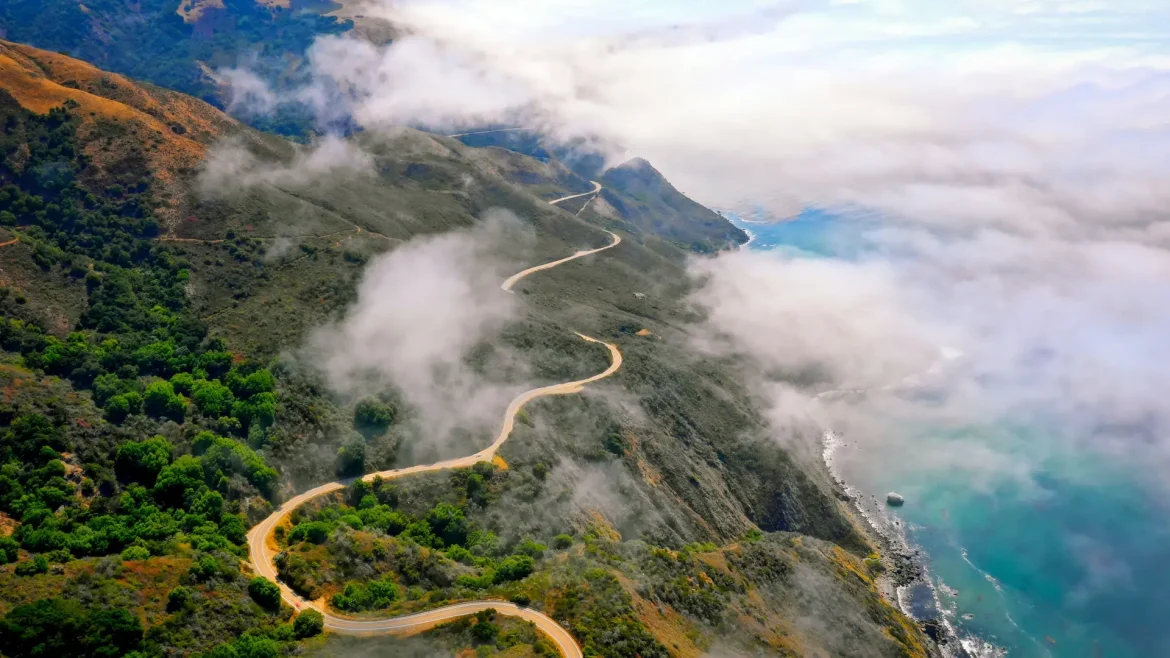
In the West, you can choose the scenery. If you want to visit the beaches along the Pacific Ocean, you have a choice of beautiful sandy coastlines. Drive along Highway 1 between San Francisco and Santa Monica for stunning views of rugged cliffs, palm trees and winding beaches.
The deserts of the interior states will capture your attention. The Painted Desert in New Mexico’s Petrified Forest National Park looks like a canvas with layers of color. Colorado’s Great Sand Dunes National Park has the tallest sand dunes in North America. Saguaro National Park is home to the largest cactus in the country.
Or maybe you prefer the mountains of the Rockies, Sierra Nevada, and Cascades , with their towering peaks, beautiful snowscapes, and majestic lakes. Whether you’re hiking in the summer or skiing in the winter, there’s plenty to do on your RV trip out west.
How to Plan an RV Trip Out West
These are not in any particular order, but they are all helpful tips on how to plan your RV trip out west. Put on your planning hat and get to work because if you don’t, you’ll regret it.
1. Plan must-see attractions
First, decide where you want to go. You can’t possibly do it all, so make a list of the must-sees you don’t want to miss. This will also narrow down where you travel. West is a big area. It would take months of travel just to explore all the national parks.
Decide on the top attractions you want to visit, and go from there. Some of these locations require a ticket purchase and capacity is limited. Just be sure to do your homework so you don’t miss out.
2. Plan and book your campsite (in advance!
When planning a road trip, it’s important to reserve campsites in advance. Traffic to these destinations is high, so there may be nights without campsites if you don’t book in advance.
Especially if you want to live in or near a national park, you’ll need to book these spots a year in advance. Scout the area and use Google satellite to check out campsites. Make sure it fits your needs and the size of your gear.
3. Set an RV travel budget
This may need to be the first step. You need to know your budget to know how many places you can afford and how many nights you can stay in a campground. If you want to plan a four-week trip but only have the budget for a two-week trip, take a step back and reevaluate.
Is there something on your must-see list that needs to be crossed off? Can you come up with the extra money to finance a four-week RV trip out west?
Once you set a budget, stick to it. Gas and food prices will vary, so you want to allow plenty of leeway for these budget items. You can find ticket prices and admission fees for must-see locations online. And you should know you’ll be spending the night at campground prices. What can you do on a budget?
4. Plan an RV-friendly route
Finally, you need to plan an RV-friendly route. Don’t rely on Apple Maps or Google Maps. Have an RV-friendly GPS, or do your own scouting ahead of time to see which roads are safe to drive.
If you have a large RV, you need to be aware of bridge heights, narrow roads, and bridge weight. If the RV-friendly route takes two hours but gets you to your destination safely, the extra time is worth it.
RV Day Tips
Once you’ve planned your RV road trip out west, there are a few tips to make your travel days enjoyable and less stressful. Following these tips won’t ensure that nothing, such as a flat tire or thunderstorm, won’t happen. But they will help make driving easier.
Remember the RV 3/3/3 Rule
If you haven’t heard of the 3/3/3 rule, it’s a great guide for traveling. Many RVs follow some version of this. It limits your driving time so that you arrive at your destination with plenty of daylight left and a more positive attitude.
You don’t want to be cranky during a long day of driving or trying to set up in a new place in the dark. Drive no more than three hours at a time, no more than 300 miles a day, and arrive at the campsite no later than 3 p.m.
Don’t forget the RV-friendly gas station!
Plan your route ahead of time and check out gas stations for RVs. Most travel sites offer plenty of room to maneuver your RV. But you’ll want to know where to go ahead of time.
Use the satellite view on Google Maps to scout the area so you don’t get bogged down. Other apps, like RV Life, also offer gas stations along your route to help you find the right RV spot on your RV trip out west.
Plan Your RV Park or Campground Entrance Ahead of Time
Just like finding gas stations for RVs, do the same for camping sites. Use the satellite view on Google Maps to find the best route into a campground, especially if you have a big rig.
Call the campground manager and ask about the best way to access it from the highway. Be sure to ask about road closures or construction along the way.
always try to arrive before dark
This is part of the 3/3/3 rule. Setting up in a new location can be stressful. Don’t try to do this in the dark.
You’ll also want to arrive before the campsite closes, so staff are available to help you if you have any questions or issues. The campground store may still be open for you to buy your setup or whatever you need the next morning.
Pre-planning will make RV travel out west less stressful
If you’re not a planner, you may need to hire someone to plan your Western RV trip. If it’s longer than a week, you’ll want to make sure reservations are lined up, know when certain places open and close, and know your approximate itinerary.
Otherwise, you’ll leave the campsite at any time and not reach your next destination until dark, or miss out on your tickets because they only accept online reservations. Do as much research and pre-planning as possible to create a good itinerary.
